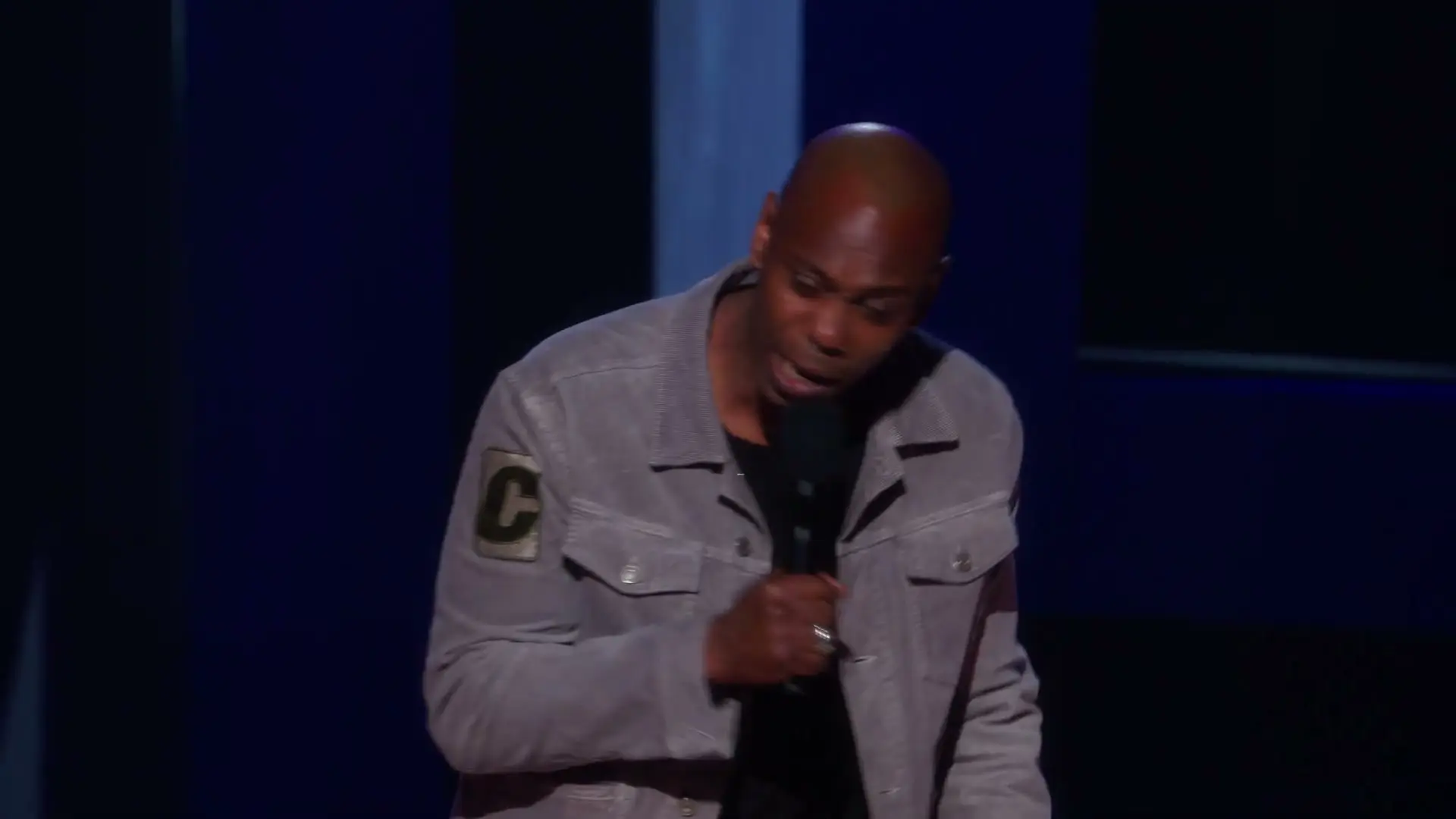
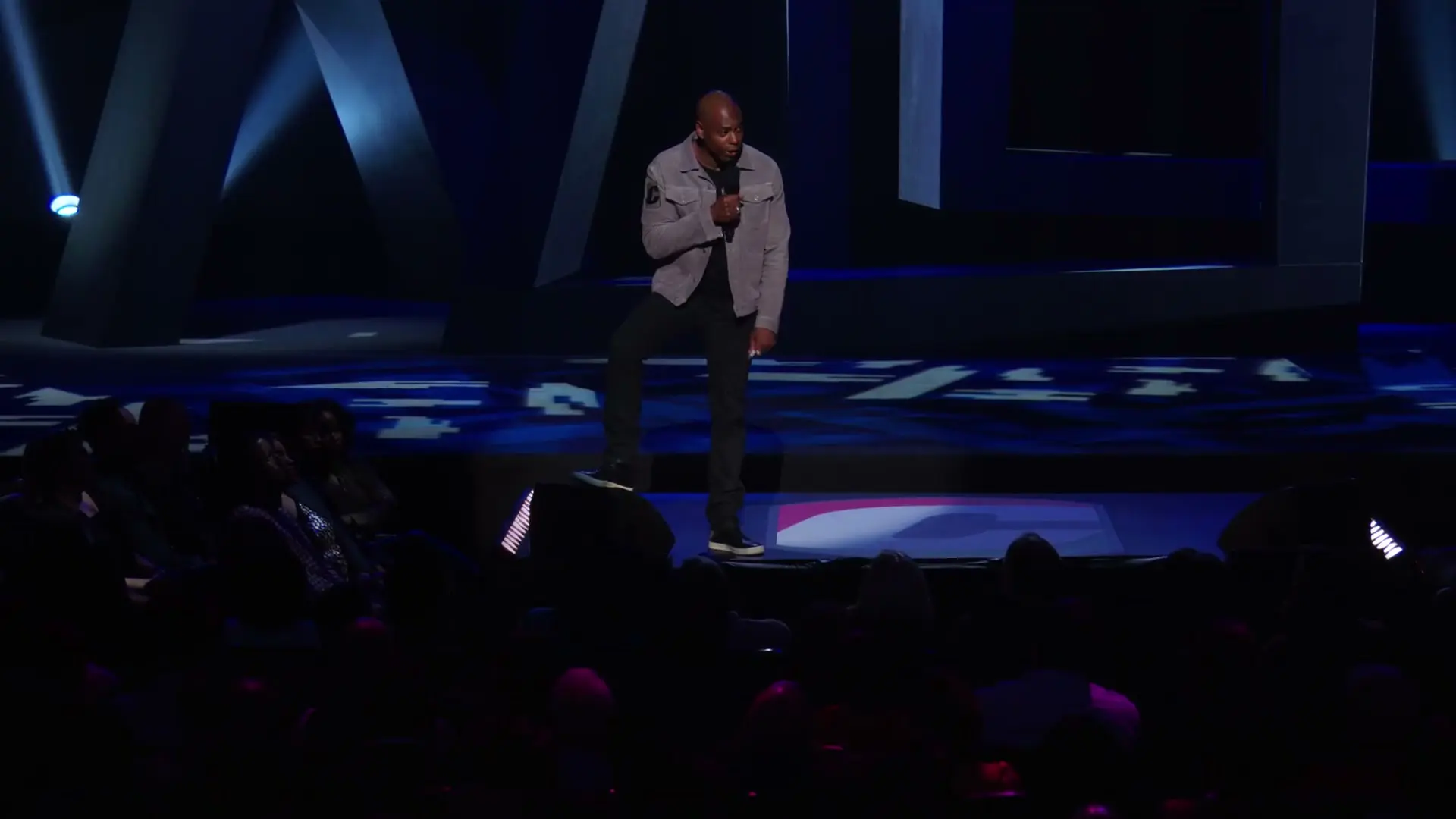
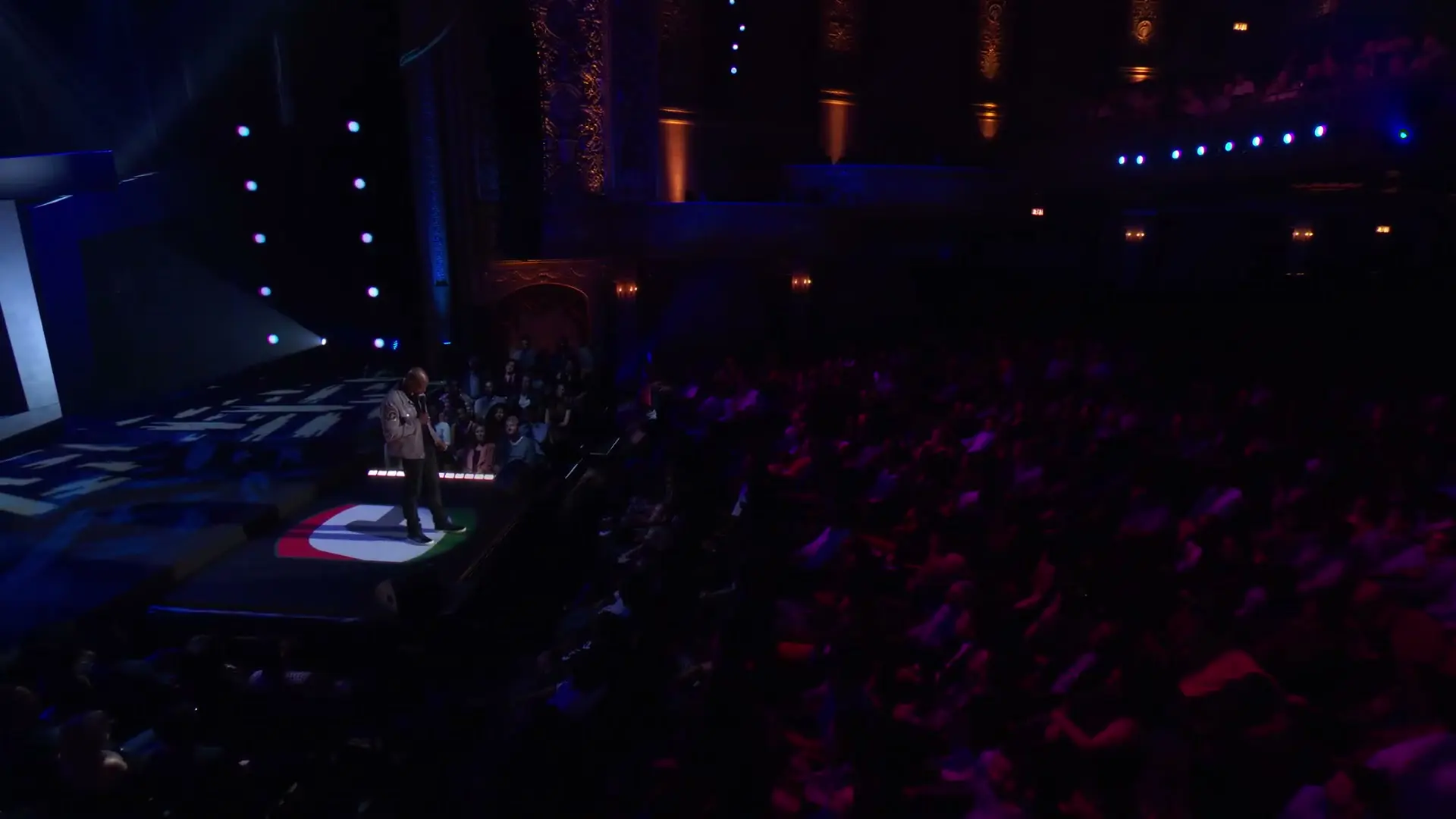
Dave Chappelle didn't just walk away from fifty million dollars; he walked away from a system designed to devour his very identity.
The lights of the stand-up stage have always been Chappelle’s confessional, but in his raw performance titled Unforgiven, the jokes take a backseat to a harrowing masterclass in corporate exploitation.
He begins not with a punchline, but with a vivid memory from the streets of New York, recalling a young kid getting cheated out of money in a game he never had a chance of winning.
This early lesson in power and greed serves as the foundational metaphor for a career that would eventually see him become one of the most influential voices in entertainment history.
Chappelle reflects on those early days in the city, connecting the dots between childhood street smarts and the sophisticated predatory nature of major television networks.
He paints a picture of a young, hungry artist eager to share his vision with the world, unaware that the ink on his contract was a death warrant for his creative autonomy.
The narrative shifts to the cold reality of Chappelle's Show, a cultural phenomenon that redefined sketch comedy and made millions for Viacom and Comedy Central.
Yet, as the show grew into a juggernaut, the man whose name was on the marquee was being legally stripped of his rights.
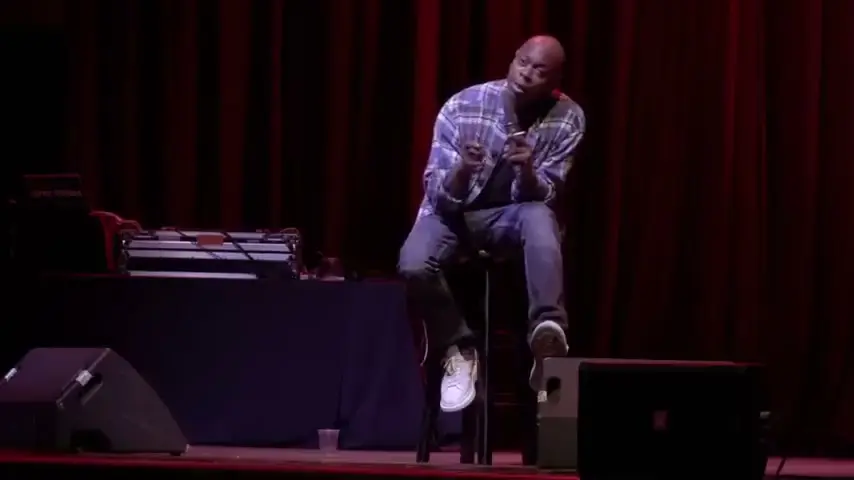
Chappelle reveals the terrifying moment of realization when he discovered that, according to the fine print, he didn't even own the rights to use his own name in certain professional contexts.
It is a shocking admission that stops the room cold, highlighting how corporate executives use legal jargon to colonize an artist's identity.
He describes the feeling of being a guest in his own house, watching as his work was sliced, diced, and sold to the highest bidder while he received nothing in return.
There are no royalties flowing into his pockets from the streaming deals that keep his sketches on every screen in America.
He speaks with a controlled fury about the devastating reality of the contracts he signed as a young, inexperienced performer who just wanted to be heard.
This isn't just about money; it is about the dignity of labor and the right to own the fruit of one’s own genius.
Chappelle’s storytelling prowess is on full display as he deconstructs the facade of the entertainment industry, exposing it as a place where dreams are collateral for corporate bottom lines.
In a move that sent shockwaves through the industry and remains unprecedented in the digital age, he makes a direct appeal to his global fanbase.
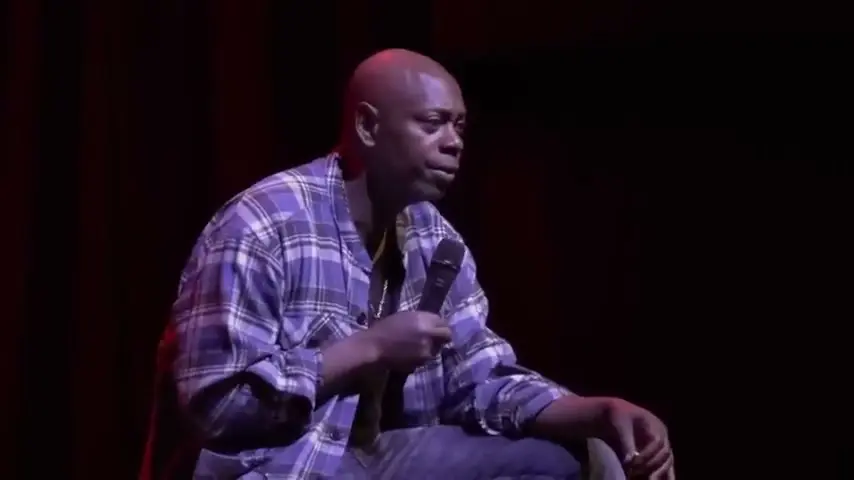
He asks the very people who love him most to stop watching his masterpiece on streaming platforms like Netflix and HBO Max.
It is a desperate, calculated gamble: asking for a total boycott of the work that defined his legacy in order to regain control of his life.
He explains to the crowd that every time someone clicks play on a licensed episode of Chappelle's Show, the people who cheated him get richer while he remains legally sidelined.
The irony is thick as he acknowledges the strangeness of an artist begging his audience to ignore his greatest hits.
But this is the price of freedom in a world where legal loopholes are used to enslave creativity.
He doesn't want the fans to hate the show; he wants them to love him enough to help him break the chains of a bad deal.
Throughout the performance, Chappelle remains a singular figure of defiance, refusing to be a victim even as he recounts the ways he was victimized.
He connects his struggle to a broader conversation about how major networks have historically tricked young comedians into signing away their futures for a moment in the spotlight.
By telling his story, he is attempting to warn the next generation of creators about the wolves waiting in the wings of the executive suites.
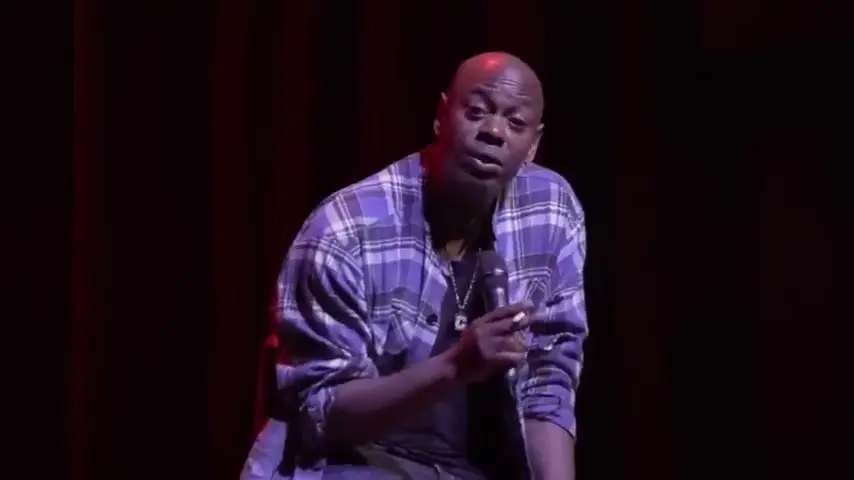
The silence in the audience speaks volumes, as the reality of his situation sinks in: one of the most successful men in comedy was essentially an indentured servant to a corporate contract.
He reflects on the psychological toll of knowing your face is making people millions of dollars while you struggle to protect the integrity of your brand.
This is a battle for the soul of the artist, played out in front of a live audience with no safety net.
Chappelle’s Unforgiven is more than a comedy special; it is a manifesto for professional sovereignty.
He reminds us that power is never given, it is taken, and sometimes you have to burn the whole house down just to walk away with your name intact.
The story of Dave Chappelle is a reminder that even the biggest stars are often just cogs in a machine they don't control.
As he stands alone on that stage, he proves that his voice is the one thing no contract can ever truly buy.
The world is watching to see if the industry will finally pay the man what he is worth, or if he will remain the most famous ghost in the machine.
Watch full video here: